



How Often Should You Rotate Your Tires?
Most drivers know they need to change their oil and keep up with regular maintenance. But tire rotation is one service that often gets overlooked. The problem is that your tires don’t wear at the same rate. Depending on your vehicle, driving habits, road conditions, and other factors, some tires may experience more stress than others.
Rotating them spreads wear on tire tread in a more even manner. It’s a simple maintenance task that can help extend tire life and improve handling, while supporting a smoother ride. It can also help you avoid replacing tires sooner than necessary. If you’re unsure how often your tires should be rotated, the answer’s usually straightforward. Understanding the basics can help you protect your investment — and keep your vehicle performing at its best.
How Often Your Vehicle May Need Tire Rotation
Manufacturer recommendations are usually every 5k to 7.5k miles. For many drivers, that means scheduling a rotation around the same time as an oil change. But the exact interval can vary depending on your vehicle and the type of tires you use. A few factors that can influence rotation frequency include:
- Front-wheel drive, rear-wheel drive, all-wheel drive systems
- Driving habits and mileage
- Road conditions in your area
- Tire type and manufacturer recommendations
- Towing or carrying heavy loads regularly
Your owner's manual is the best place to find the recommended schedule for your specific vehicle. Following those guidelines can help maximize tire life and maintain consistent performance.

Why Tire Rotation Matters
Every tire on your vehicle performs a slightly different job. On front-wheel-drive vehicles, the front tires often handle steering and acceleration — along with much of the braking force. So these often experience wear more quickly than rear tires. Without regular rotations, certain tires can wear down much sooner than others, leading to several issues (e.g. reduced traction, rougher ride, need to replace tires earlier than expected).
Regular rotation means wear occurs at a more even rate on all tires. It can also support better fuel efficiency and more predictable handling, especially during wet or slippery driving conditions. Keeping up with routine tire maintenance is one of the easiest ways to get the most value from your tires over time.
Signs Your Tires May Need Attention
Even if you follow a regular maintenance schedule, it’s still important to monitor tire condition. Visual inspections can help you catch potential issues before they become larger problems. Uneven tire wear is among the more common warning signs. When one area of a tire wears down faster than another, it may indicate that you need rotation or alignment. Drivers should also watch for:
- Reduced tread depth
- Vibration while driving
- Pulling to one side
- Increased road noise
- Visible damage or cracking
Learning to recognize tire tread wear signs can help you address problems early and maintain safer driving conditions.
What Happens During a Tire Rotation?
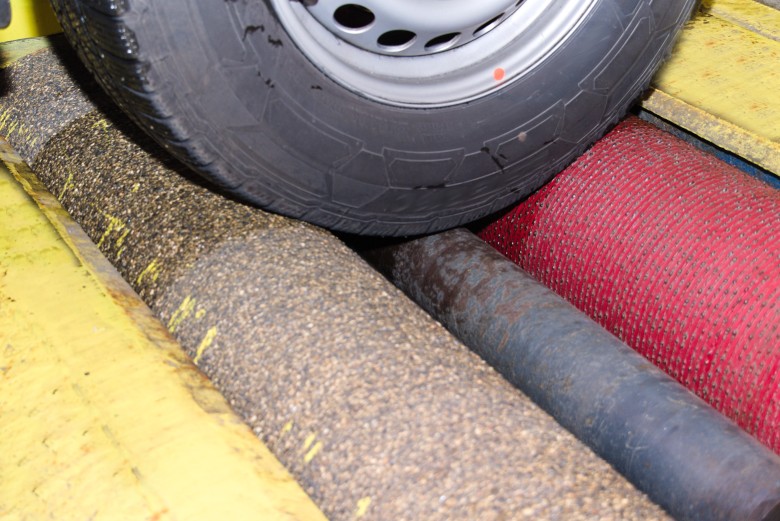
A tire rotation involves moving each tire to a different position on the vehicle based on a specific pattern. The pattern used depends on factors, such as the drivetrain and tire design. During the appointment, technicians typically inspect the tires for damage and check tread depth, then verify proper inflation levels. This provides an opportunity to identify issues that may affect tire performance or longevity.
Many drivers combine rotations with other maintenance visits, making it a convenient addition to their regular vehicle care routine. A professional inspection can also help determine whether additional services (e.g. balancing or alignment adjustments), may be beneficial.
Tips for Extending Tire Life
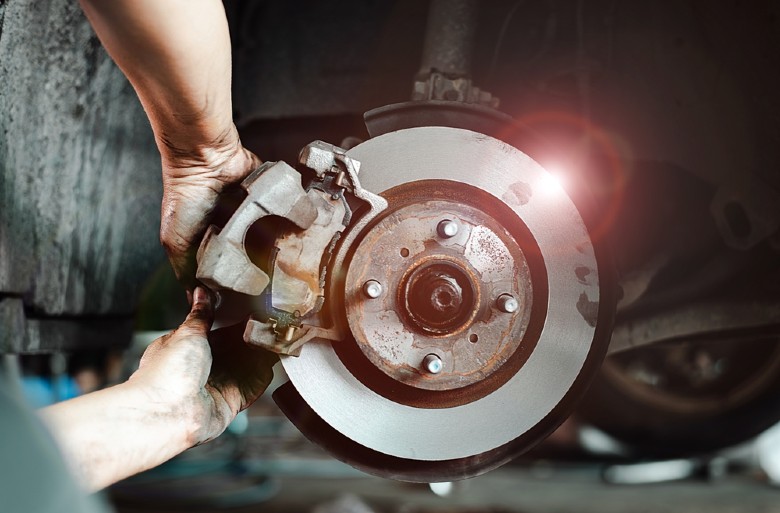
While regular rotations are important, they’re only one part of maintaining healthy tires. A few simple habits can help you get even more miles from your set.
- Check tire pressure regularly
- Avoid aggressive acceleration and braking
- Keep wheels properly aligned
- Inspect tires for damage and debris
- Follow your vehicle's recommended maintenance schedule
Scheduling routine tire service can also help ensure small issues are addressed before they affect performance or safety.
Keep Your Tires Performing Their Best
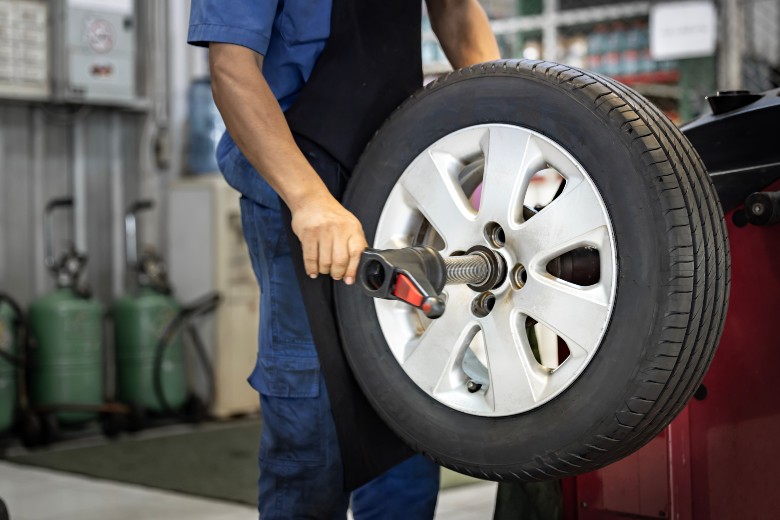
Regular tire rotations are a simple but important part of vehicle maintenance. Rotating your tires at the recommended intervals means you can promote even wear and improve driving performance — potentially extending the life of your tires.
If you have questions about your vehicle's maintenance schedule or tire condition, our team at Twins Buick GMC in Columbus, OH can help. Our technicians can inspect your tires and provide recommendations based on your vehicle's needs. Whether you’re due for a rotation or want a professional evaluation at our dealership's service center, staying proactive can help keep your vehicle ready for the road.